
Friday, November 21, 2014


Saturday, November 1, 2014
How to fart in Korea
I happened upon this great Tumblr blog that you should check out. The owner, James Chapman, makes a weekly poster highlighting a specific theme and how it is represented in various languages around the world.
Beware! You might waste a lot of time on his site. Enjoy!
Monday, September 22, 2014

Monday, August 25, 2014
Our Greatest Invention
I just happened upon this article about a book called 'Shapes for Sounds: Why alphabets look like they do, what has happened to them since printing was invented, why they won't ever change, and how it might have been.'
I haven't read the book yet (I just ordered it), but some of the pictures are so fascinating.
For instance, what if we wrote in blocks of color?

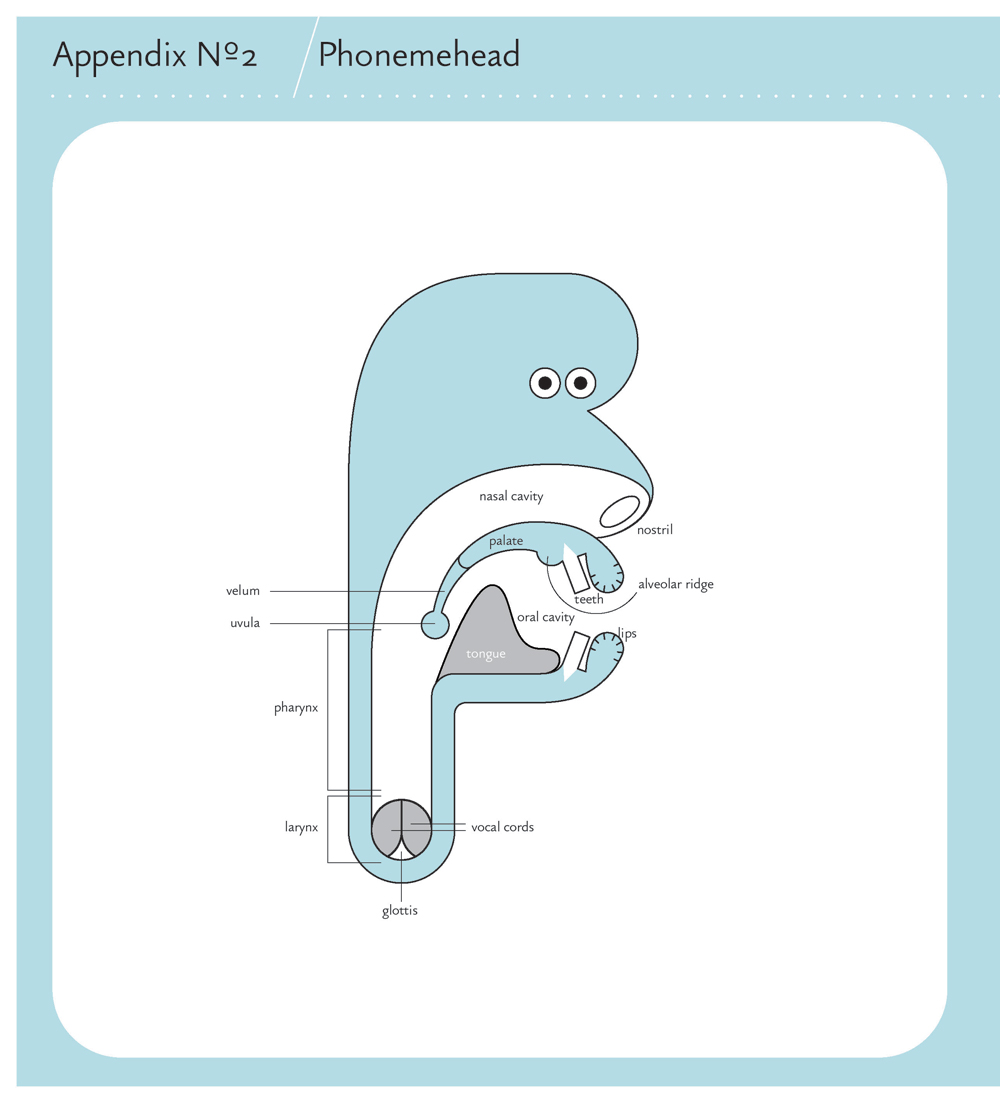
Linguists commonly use charts like this:

Extrapolating from those charts, the book shows us this:

Which is really quite cool.
I should have my book in a few days, so I'll check back in when I've had a chance to study it. In the meantime, what do you think? Have any of you read this book? Do you agree that writing is one of mankind's greatest inventions?
I haven't read the book yet (I just ordered it), but some of the pictures are so fascinating.
For instance, what if we wrote in blocks of color?
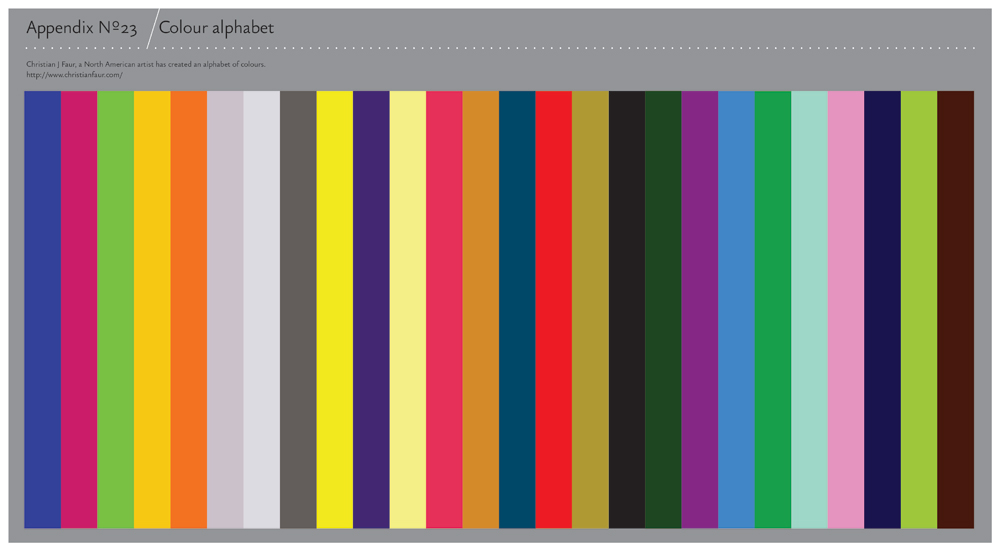
Linguists commonly use charts like this:
 |
| (source) |
to map sounds that happen in our face:
Extrapolating from those charts, the book shows us this:
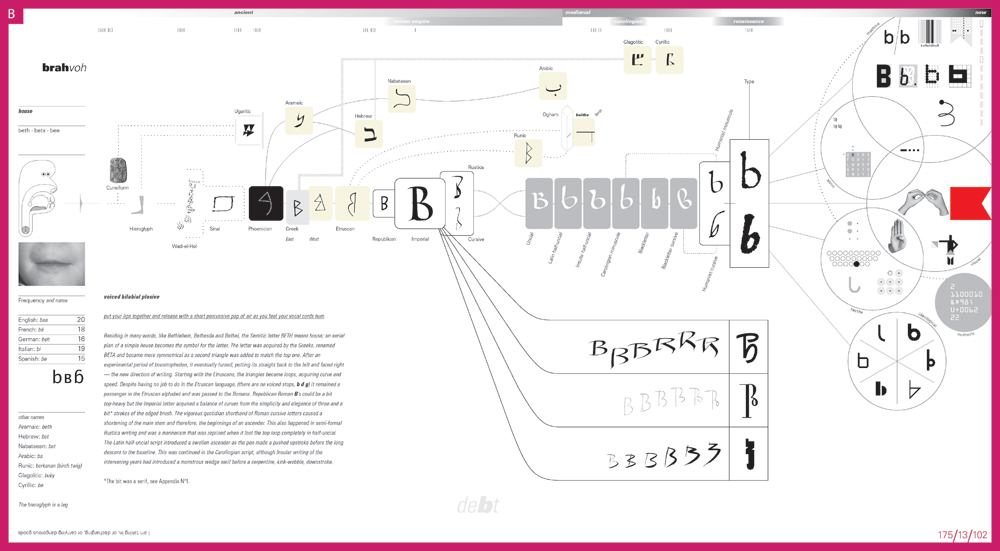
Which is really quite cool.
I should have my book in a few days, so I'll check back in when I've had a chance to study it. In the meantime, what do you think? Have any of you read this book? Do you agree that writing is one of mankind's greatest inventions?
Friday, August 15, 2014
Sunday, April 27, 2014
Ghetto, part deux
I did a post on ghetto a while ago, but I just saw this article on NPR and thought you might find it interesting. Enjoy!
Friday, October 5, 2012
Qi
Do you play Scrabble? Or Words With Friends? If so, you know this word, but do you know what it means?
Qi \chee\ , noun;
1. Eastern medicine, martial arts, etc.: Vital energy believed to circulate around the body in currents.
Qi has also been spelled chi or ch'i, depending on which method of Chinese-to-English transcription is in use (qi is pinyin, the others are Wade-Giles). Either way it comes from Chinese 气 (氣), which means "air, breath," and dates to around 1850 in English.
Qi \chee\ , noun;
1. Eastern medicine, martial arts, etc.: Vital energy believed to circulate around the body in currents.
Qi has also been spelled chi or ch'i, depending on which method of Chinese-to-English transcription is in use (qi is pinyin, the others are Wade-Giles). Either way it comes from Chinese 气 (氣), which means "air, breath," and dates to around 1850 in English.
Subscribe to:
Posts (Atom)